

How do I heat my skid house?
The Ultimate Guide to Staying Warm On the Ice
Ice fishing is one of the great winter traditions — a chance to get outside, chase the bite, and enjoy time with friends or family. But when the thermometer drops and the wind bites, staying warm becomes your top priority. That’s where your skid house comes in. A properly heated and insulated skid house isn’t just about comfort — it’s about safety and maximizing your time on the ice.
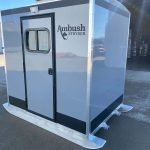
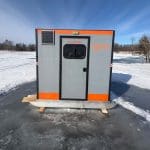
At Ambush, we design our ice houses and skid houses with real anglers in mind. From insulation to heating solutions and safety best practices, this guide will walk you through everything you need to know to heat your skid house effectively this season.
Why Heating Your Ice House Matters
Before we talk about heaters and fuel sources, it’s important to understand why heating matters in the first place:
Comfort and Enjoyment
Let’s be honest — being cold is no fun. A warm skid house lets you relax, focus on fishing, and stay out longer, especially on frigid days when winds howl and temperatures plummet. A heated space will keep your hands warm and your mood high so you can enjoy every minute out on the ice. Also, another benefit of staying warm is that you catch more fish because you can stay out on the ice longer.
Safety
Exposed skin in freezing temperatures can lead to frostbite or hypothermia. Heating reduces that risk and allows anglers — adults and especially kids — to fish safely in harsh winter conditions.
Insulation Improves Efficiency
Your ice house’s insulation works with your heater to trap warmth inside. Ambush skid and wheel houses use a rugged fiberglass panel system with polystyrene insulation that holds heat better than uninsulated shelters. This means you don’t have to run heaters as hard or as often, saving fuel and making your setup more efficient overall.
Choosing the Right Heater for Your Ice House
There are a few heating options commonly used in ice houses, each with advantages and considerations.
1. Direct Vent Heaters — Best for Safety & Performance
A direct vent heater is often the best choice for ice houses because it vents combustion gases outside. These heaters draw in fresh air from outside the shelter and exhaust combustion products outside, which significantly reduces the risk of carbon monoxide buildup: a serious safety concern.
Ambush offers integrated direct vent heater options that fit perfectly into our skid house designs, making installation clean and efficient. These systems provide reliable warmth and are ideal for all-day trips or overnight stays.
Pros
- Safest option for enclosed spaces
- Efficient heat delivery
- Minimal condensation
Cons
- Slightly higher cost and more complex installation
2. Ventless Propane Heaters — Simple and Effective
Ventless heaters are another common solution. We sell a 10,000 BTU ventless system that requires no outside venting. It runs on propane and includes the regulator, hose and a CO detector.
Tips for Ventless Heaters
- Crack a window or vent to allow airflow
- Use the carbon monoxide detector
- Don’t seal your shelter completely while the heater is running
Pros
- Lower cost
- Easy to install and use
Cons
- Potential for moisture buildup
3. Portable Propane Heaters — Flexible and Practical
You can also use a portable propane heater inside your ice fishing house, especially if your fish house has good ventilation and you monitor airflow carefully. These units are popular for smaller spaces or temporary setups.
4. Diesel Heaters – A Dry Heat
Relatively new on the scene when it comes to heating a fish house are diesel heaters. A lot of anglers have been retooling their skid houses and even soft sided ice fishing shelters to accept a diesel heater. The one feature that many claim to be the biggest advantage is extremely low fuel consumption. Some people are reporting that they get between .1 and .24 liters per hour of use.
Safe Heating Practices: Don’t Skip These
Heating an enclosed space on a frozen lake comes with real safety considerations. Follow these best practices:
✔ Ensure Proper Ventilation
Even the safest ventless heater can still produce combustion byproducts. Always crack a window or use a vent to allow fresh air in — this minimizes the buildup of carbon monoxide, which can be deadly.
✔ Carbon Monoxide and Gas Detectors
Never rely on smell or intuition to detect dangerous gases. Install a small battery-powered carbon monoxide detector and, ideally, a combination explosive gas detector to catch leaks you can’t see or smell.
✔ Monitor Fuel Tanks
Propane tanks (or diesel containers) need to be stored securely. Ambush’s skid houses include propane tank mounts to keep tanks off the ground and stable — crucial on slippery ice surfaces.
✔ Keep Clear Space Around Heaters
Place heaters on stable, flat surfaces. Don’t put them near gear, insulation panels, or flammable materials. If you’re using a temporary solution like a milk crate or insulation board beneath your heater for elevation, ensure they’re stable and non-flammable.
Why Insulation is a Game Changer
A heater doesn’t work alone — it needs insulation to be truly effective.
Ambush Ice Houses Are Designed for Comfort
Ambush ice houses are built using durable fiberglass and polystyrene insulation. That design helps retain heat inside your fish house, reducing the workload on your heater and saving fuel.
Benefits include:
- Lower propane usage
- Faster warm-up times
- Less condensation
- Longer heat retention
Insulated shelters simply perform better in winter weather than uninsulated ones, especially as temperatures fall or winds pick up.
Heating Tips for Maximum Efficiency
Stay Dry and Move Air
Warm air is great — but stagnant air can lead to moisture buildup. If you have a small fan, circulate the warm air to reach colder corners of your ice house.
Layer Up
Even inside a heated ice house, dressing in layers helps minimize the need for high heat settings and keeps you comfortable throughout the day.
Mind Nighttime Conditions
If you’re planning an overnight ice camping trip, which you can do in many of our skid house and wheel house models, be extra cautious with ventilation and monitoring CO detectors. Overnight heating increases the chances for gases to accumulate.
Troubleshooting Common Heating Challenges
Even with great heaters and insulation, you may encounter issues. Here’s how to handle them:
Condensation and Moisture
Warm air hitting cold surfaces produces moisture. Insulation helps minimize this, but if you see a lot of condensation, increase ventilation or lower heater settings slightly to reduce humidity.
Uninsulated shelters with heaters are more prone to moisture problems, which is another reason insulation like Ambush’s matters.
Low Propane Pressure in Extreme Cold
In very low temperatures, propane pressure can drop, reducing heater output. Consider keeping your propane tank insulated (a tank blanket or cover can help keep fuel flow steady).
Wind Chill Challenges
Even a super-insulated house can feel cold if wind is driving through gaps. Ensure doors and windows are sealed tightly when the heater’s running to trap warmth inside. Always inspect your fish house before the season to make sure all of the seals are in good shape
Your Heating Checklist
Here’s a quick checklist before heading out on the ice:
✅ Insulated ice house or shelter
✅ Direct vent or ventless heater installed
✅ Proper ventilation open
✅ Carbon monoxide detector inside
✅ Secure propane tank mounted
✅ Stable placement for heater
✅ Extra layers of clothing
✅ Emergency safety gear (ice picks, flotation, etc.)
Heating your skid house isn’t just about staying warm — it’s about creating a comfortable, safe environment that lets you focus on fishing and making memories. Whether you choose a direct vent system, ventless heater, or a portable propane unit, pairing your heater with good insulation and responsible safety practices will give you the best experience on the ice.
At Ambush, we design our ice houses Fishing First, which includes seamless integrated heating options, propane tank mounts, and exceptional insulation. Your next day on the ice should be warm, enjoyable, and safe — and with the right setup, it absolutely can be.
Explore Ambush’s skid houses and heating solutions at your local dealer — and make this winter your best fishing season yet.